Protecting Children Online
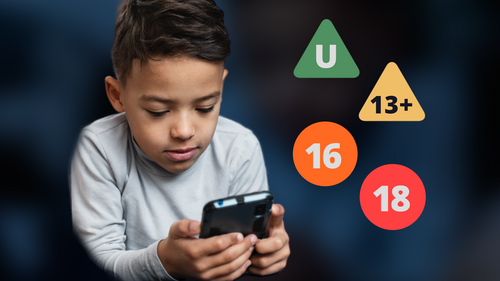
Tech companies have for far too long treated children as data to be mined rather than young people to be protected. They have let harmful content roam free on their sites from perpetuating negative body image to amplifying extreme and violent content. They have built addictive algorithms designed to keep children endlessly doom-scrolling at the expense of their mental health.
The Government’s response to this has been disappointing. Rather than taking firm action, they are giving themselves the power to potentially act later, instead of implementing the sensible policies we have long called for. This includes failing to fully implement our proposal to immediately raise the age of data consent to 16, which would ban social media giants from harvesting children’s data to feed them addictive, algorithmically generated content.
We also have serious concerns about how much power this Bill puts into the hands of just one person. As it stands, a single government minister could decide which social media platforms to ban using secondary legislation, which bypasses full parliamentary scrutiny. We raised the very real concern that a future government of any political stripe could use these sweeping powers to control or categorise platforms without proper oversight.
For the campaigners, charities, and thousands of parents crying out for change, the Government’s plan simply isn't good enough.
We've hidden instagram.com/p/DTtD98rlH6r/ to prevent cookies being set that you haven't consented to. Please enable marketing cookies to see it.
Go to Instagram PostThat is why we put party politics aside and voted for a cross-party amendment to ban harmful social media for under-16s. This was not an endorsement of the Conservative approach; it was a rejection of the Government’s current, inadequate plans. By voting this way, we are telling the Government to think again, return to the table, and listen to our calls for a smart, future-proof strategy that is led by evidence, not the whims of a single individual.
Ahead of the debate, we also tabled our own amendment to advocate for a film-style age rating for online platforms, including social media. This would mean platforms would be required to age-gate content at an appropriate level according to a new Ofcom framework looking at the addictiveness of their platform design, the impact on children’s mental health, and the harmfulness of the content they host. The default age for social media would be 16, and the burden would be on Big Tech to prove their platforms are safe before that rating could be lowered. For sites hosting violence or pornography, the age would be set even higher.
Although our approach, supported by over 40 children’s charities like the NSPCC, was not selected this time, we are not giving up. As this Bill continues through Parliament, we will keep fighting for a common-sense approach to online safety that puts the wellbeing of children above everything else.
Munira Wilson MP
Spokesperson for Education, Children and Families
Protect Children Online
I back the Liberal Democrat plan to protect children online with film-style age-rating to ban harmful social media for under 16s.